
Life vs. Lives: The Correct Plural, Explained
Lives is the correct plural of life. There is no situation in standard English where “lifes” is acceptable — it’s a spelling…
Sprain vs. Strain: What’s the Real Difference?
A sprain injures a ligament — the tough band of tissue connecting bone to bone at a joint. A strain injures a muscle or tendon — the tissue…
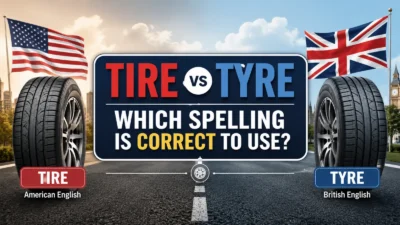
Tire Vs. Tyre: Which Spelling Is Correct?
Tire is the standard spelling in American and Canadian English. Tyre is the standard spelling in British English and most other Commonwealth…
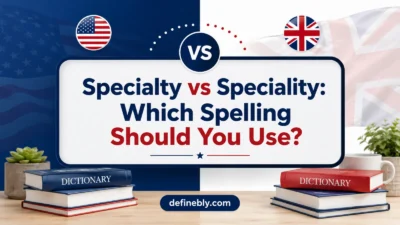
Specialty Vs. Speciality: Which Spelling Is Correct?
Specialty is the standard spelling in American English. Speciality is the standard spelling in British and Commonwealth English. Both refer to…
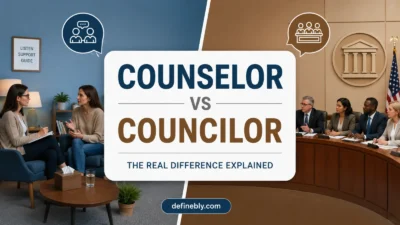
Counselor vs. Councilor: The Real Difference Explained
A counselor gives advice, guidance, or therapy. A councilor is a member of a governing council. These words are homophones — they sound…
Themself vs. Theirself: The Correct Singular Reflexive Pronoun
You’re writing a sentence about someone whose gender you don’t know, and you need a reflexive pronoun. Themself? Theirself? Only…
Y’all vs. Yall vs. Ya’ll: The Correct Spelling, Explained
You’re texting a group of friends or writing a casual post, and you type “y’all.” Then you second-guess the…

Utmost vs. Upmost: Which One Should You Actually Use?
Almost always: utmost. It means the greatest possible degree, extent, or amount — the word for phrases like “utmost care,”…
Aesthetic Vs Esthetic: Which Spelling Is Correct?
Aesthetic is the standard spelling in both American and British English, and it’s correct in nearly every context — general writing,…
Inquiry Vs Enquiry: Which One Should You Use?
If you’re writing for an American audience, use inquiry — always, in every context, formal or casual. If you’re writing for a…