Grammar6 Min Read Adrian WellsonOctober 21, 2026 Dreamed vs. Dreamt: Which Past Tense Is Correct? Both are correct. Dreamed is the standard past tense in American English. Dreamt is the traditional irregular form used more often in British…

Grammar6 Min Read Adrian WellsonOctober 21, 2026 Leaped vs. Leapt: Which Past Tense Should You Use? Both are correct. Leaped is the standard past tense in American English. Leapt is more common in British English and appears in American…
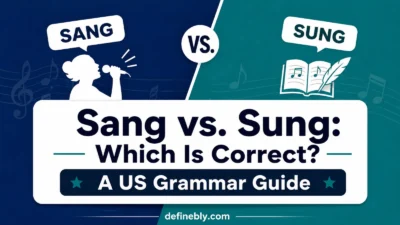
Grammar6 Min Read Adrian WellsonOctober 21, 2026 Sang vs. Sung: Which Is Correct? Sang is the simple past tense of sing. Use it when no helping verb is present: She sang at the ceremony. Sung is the past participle. Use it…
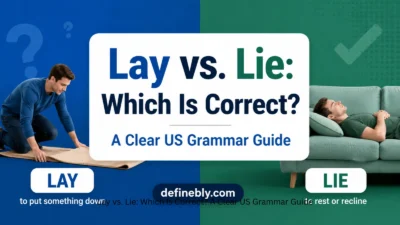
Grammar7 Min Read Adrian WellsonOctober 21, 2026 Lay vs. Lie: Which Is Correct? Lie means to recline — the subject does this to itself, with no object. Lay means to place something — the subject does this to an object. I…
Grammar5 Min Read Adrian WellsonOctober 21, 2026 Sung vs. Sang: Which Verb Form Is Correct? Sang is the simple past tense of sing. Use it when there is no helping verb: She sang at the ceremony. Sung is the past participle. Use it…
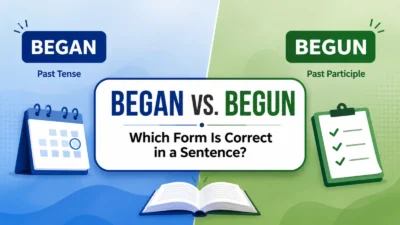
Grammar6 Min Read Adrian WellsonOctober 21, 2026 Began vs. Begun: Which Form Is Correct in a Sentence? Began is the simple past tense of begin. Use it when no helping verb is present: The show began at eight. Begun is the past participle. It…
Grammar7 Min Read Adrian WellsonOctober 21, 2026 Lie Down vs. Lay Down: The Correct Usage Rule Explained Lie down means to recline — the subject does this to itself, with no object. Lay down means to place something — the subject does this to an…
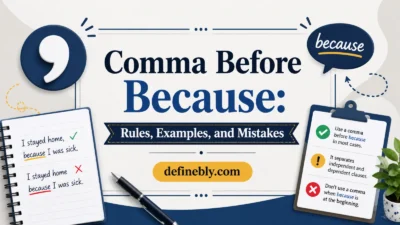
Grammar10 Min Read Adrian WellsonOctober 21, 2026 Comma Before Because: Rules, Examples, And Common Mistakes Comma Before Because: Rules, Examples, and Common Mistakes You usually do not need a comma before because. When because introduces an…
Grammar10 Min Read Adrian WellsonOctober 21, 2026 Who Vs. Whom: Rules, Examples, And Easy Grammar Test Who vs. Whom: Rules, Examples, and Easy Grammar Test Who and whom both refer to people, but they serve different grammatical roles. Use who…
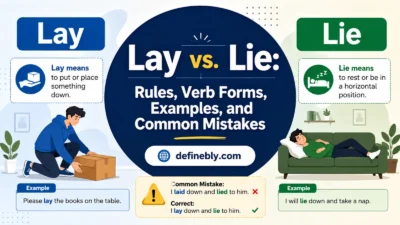
Grammar9 Min Read Adrian WellsonOctober 21, 2026 Lay Vs. Lie: Rules, Verb Forms, Examples, And Common Mistakes Lay vs. Lie: Rules, Verb Forms, Examples, and Common Mistakes Lay means to put or place something down, while lie means to recline, rest, or…