
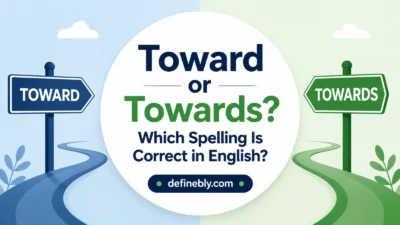
Toward Or Towards? Which Spelling Is Correct In English?
Many English learners and writers wonder whether they should use toward or towards. The good news is that both spellings are standard English.…
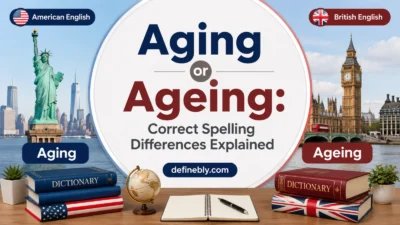
Aging Vs Ageing: Correct Spelling Explained
“Aging” and “ageing” are two accepted spellings of the same word that describe the process of growing older or becoming older over time. The…
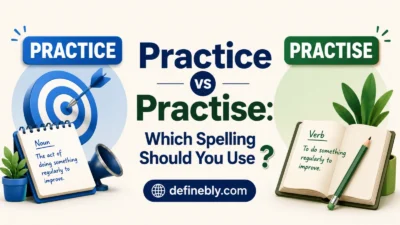
Practice Vs Practise: Correct Spelling Explained
“Practice” and “practise” are two spellings of the same word that refer to repeated action or professional work. The meaning is the same, but…
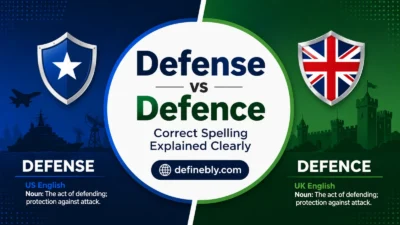
Defense Vs Defence: Correct Spelling Explained
“Defense” and “defence” are two spellings of the same word that describe protection, resistance, or the act of defending something. The…
License Vs Licence: Correct Spelling Explained
“License” and “licence” are two spellings of the same word that refer to permission granted by authority. The difference is not in meaning but…
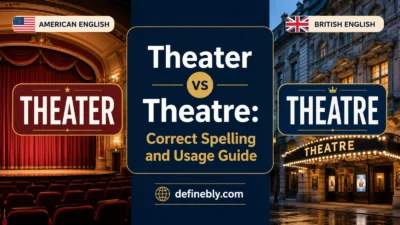
Theater Vs Theatre: Correct Spelling Explained
“Theater” and “theatre” are two spellings of the same word that refer to a place for performances or entertainment. The difference is not in…
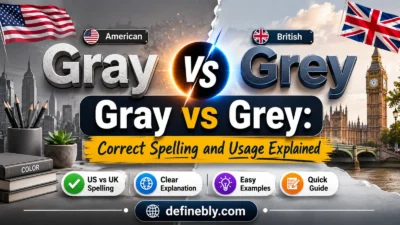
Gray Vs Grey: Correct Spelling Explained
“Gray” and “grey” are two accepted spellings of the same word that describe the color between black and white. They carry identical meanings,…
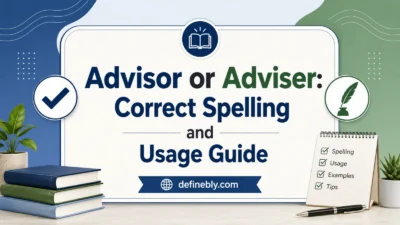
Advisor Vs Adviser: Correct Spelling Explained
“Advisor” and “adviser” are two accepted spellings of the same noun. Both refer to a person who provides guidance, recommendations, or expert…
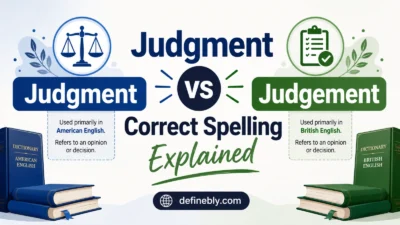
Judgment vs Judgement: Correct Spelling Explained
“Judgment” and “judgement” are two spellings of the same word, and both are correct depending on regional English conventions. The key…
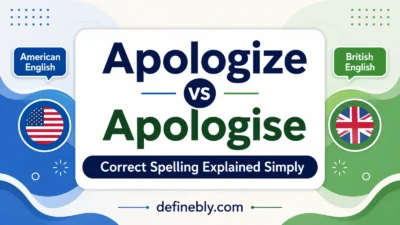
Apologize vs Apologise: Correct Spelling Explained Simply
“Apologize” and “apologise” are two correct spellings of the same verb. The difference is not meaning but spelling convention based on…