
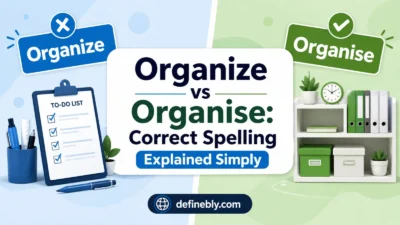
Organize vs Organise: Correct Spelling Explained Clearly
“Organize” and “organise” are two accepted spellings of the same verb. The difference is not meaning but spelling convention shaped by…
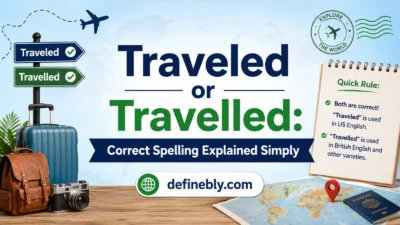
Traveled vs Travelled: Correct Spelling Explained Clearly
“Traveled” and “travelled” are two correct spellings of the same verb. The difference is not about meaning but about spelling conventions in…
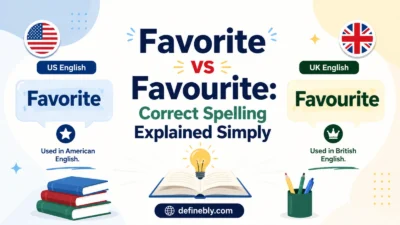
Favorite vs Favourite: Correct Spelling Explained Simply
“Favorite” and “favourite” are two correct spellings of the same word. The difference is not meaning or grammar—it is regional spelling…
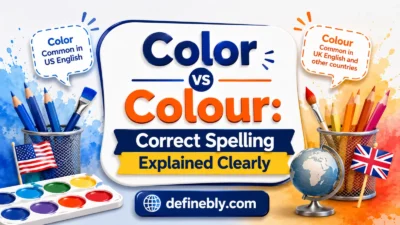
Color vs Colour: Correct Spelling Explained Clearly
“Color” and “colour” are two valid spellings of the same word. The difference is not about meaning or correctness—it is about regional English…
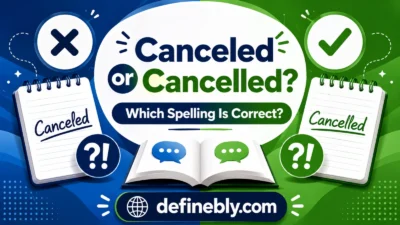
Canceled or Cancelled? Which Spelling Is Correct?
“Canceled” and “cancelled” are both correct spellings of the past tense of cancel, but they follow different regional conventions. The…
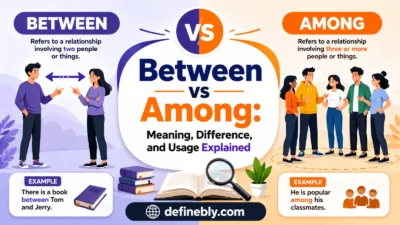
Between Vs Among: Meaning, Difference, And Usage Explained
“Between” and “among” are often confused because both describe relationships. They connect people, places, or ideas. The difference depends on…
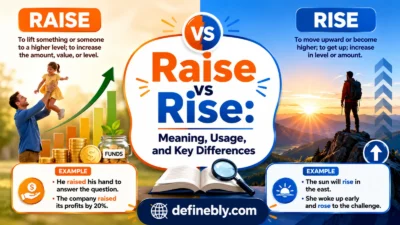
Raise Vs Rise: Meaning, Usage, And Key Differences
“Raise” and “rise” are commonly confused because both involve movement upward. However, they do not work the same way in a sentence.…
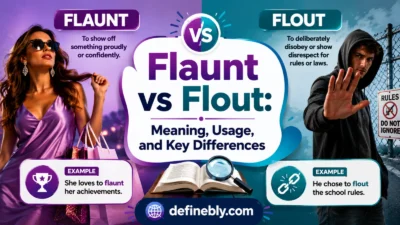
Flaunt Vs Flout: Meaning, Usage, And Key Differences
“Flaunt” and “flout” are among the most commonly confused words in English. They look similar, sound somewhat alike, and are often misused in…
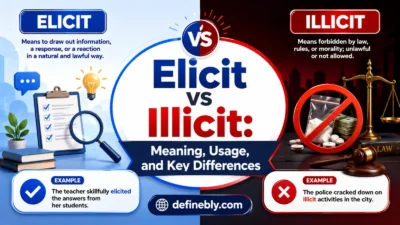
Elicit Vs Illicit: Meaning, Usage, And Key Differences
“Elicit” and “illicit” are among the most frequently confused words in English. They look similar, sound somewhat alike, and often appear in…

Appraise Vs Apprise: Meaning And Key Differences Explained
“Appraise” and “apprise” are often confused because they look and sound similar, but they serve completely different purposes in English. One…