You may have seen the word “mog” or “mogged” in comments, memes, or short videos. It’s a slang term tied to appearance and social comparison.
The meaning is simple, but the tone can be sharp depending on how it’s used.
Quick Answer
“Mog” means to clearly outshine or dominate someone in appearance, confidence, or overall presence—usually in a direct comparison.
What Does Mog Mean In Slang?
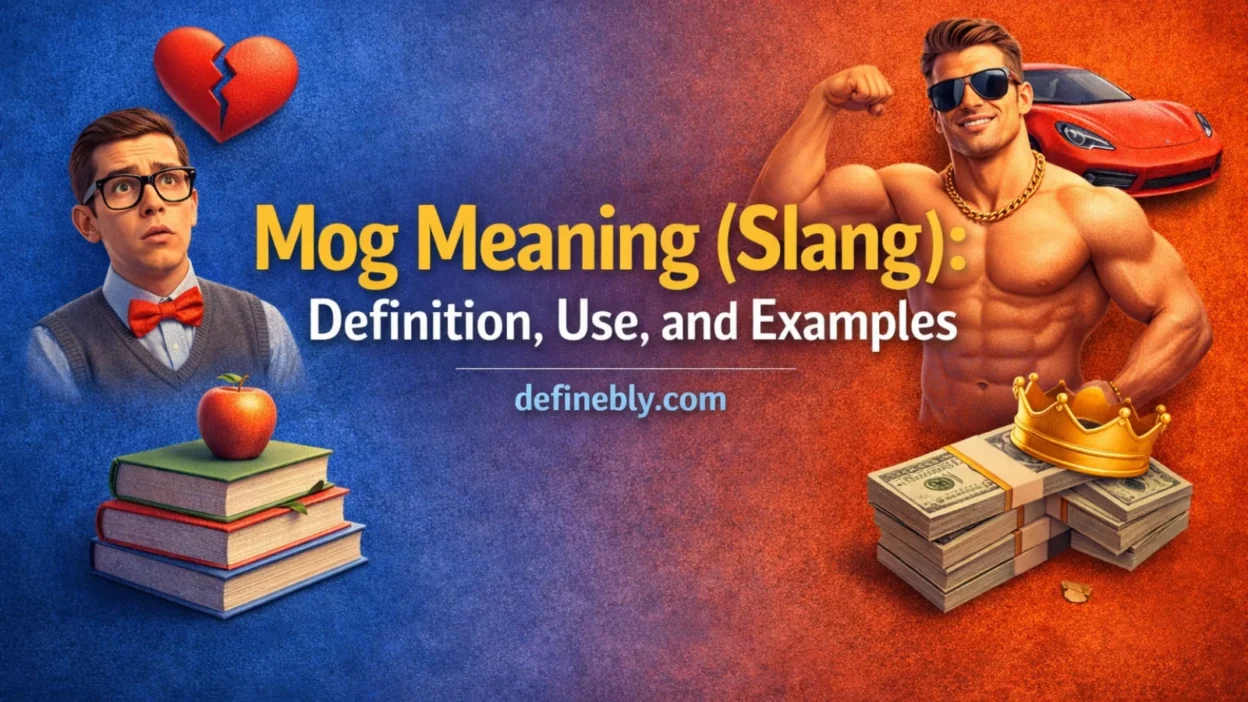
In slang, “mog” is used when one person looks noticeably better or more impressive than another, especially when they are side by side.
If someone “mogs” another person, it means:
They make the other person look worse by comparison.
Common forms:
Mog → “He mogs everyone here.”
Mogged → “I got mogged in that picture.”
Mogging → “He’s mogging everyone in the video.”
The term is almost always tied to visual comparison, not just general success.
Where The Term Comes From
“Mog” is believed to have originated in online forums focused on appearance, dating, and self-improvement.
It later spread through:
Meme culture
Reddit discussions
TikTok edits and comparison videos
Today, it’s widely used in short-form content where people compare:
Faces
Body types
Fashion
Confidence or “presence”
Why “Mog” Is So Popular Online
The term fits perfectly with modern internet behavior.
Key reasons it’s trending:
Visual Platforms: Apps like TikTok and Instagram focus heavily on appearance
Comparison Content: Side-by-side photos and “who wins” edits are common
Fast Judgment Culture: Short slang makes quick comparisons easy
Dating Culture Influence: Attractiveness is often discussed openly online
“Mog” became popular because it’s a quick, blunt way to describe who stands out more.
How People Use “Mog” In Real Situations
The word appears most often in comments, captions, and casual conversations.
Common scenarios:
Comparing two people in a photo
Reacting to glow-up transformations
Commenting on outfits or style
Watching edits where one person “dominates” visually
Examples:
“That guy mogs everyone in the group photo.”
“I got completely mogged standing next to him.”
“She mogs in every angle—it’s unfair.”
“These edits make it look like he’s mogging everyone.”
“No one’s mogging anyone, it’s just lighting.”
These examples show both serious and joking use.
Tone, Context, And Real Meaning
“Mog” is rarely neutral—it almost always involves comparison and hierarchy.
How Tone Changes Meaning
Tone What It Implies
Playful Light teasing between friends
Neutral Casual observation of differences
Negative Mocking or putting someone down
In many cases, the word carries an edge of judgment, even when used casually.
The Hidden Meaning Behind “Mog”
Beyond slang, “mog” reflects deeper social ideas:
Status Comparison: Who looks more dominant or attractive
Appearance Hierarchy: Ranking people visually
Confidence Perception: Not just looks, but presence and energy
This is why the term can feel harsh—it reduces people to a quick comparison.
Mog Vs Similar Slang Terms
Term Meaning Key Difference
Mog Outshining someone directly Focuses on comparison
Looksmaxxing Improving your appearance Focuses on self-improvement
Glow-up Noticeable transformation Focuses on results
Flex Showing off Not always about looks
Mid Average or unimpressive No direct comparison needed
“Mog” stands out because it always involves one person vs another.
When You Should (And Shouldn’t) Use It
Use It When:
Joking casually with friends
Commenting on memes or edits
Engaging in informal online slang
Avoid It When:
In professional or formal settings
Discussing real insecurities or body image
It could come across as insulting
Talking to people unfamiliar with internet slang
Because of its tone, it can easily sound disrespectful.
Is “Mog” Offensive Or Harmless?
It depends on context—but it often leans negative.
Why it can be problematic:
Encourages comparison
Can lower someone’s confidence
Reinforces appearance-based judgment
When it’s harmless:
Among friends who understand the joke
In clearly exaggerated or meme contexts
Understanding tone is key before using it.
FAQs
What does “mogged” mean?
“Mogged” means someone was outshined or looked worse compared to another person in a direct comparison.
Is “mog” always an insult?
No, but it often sounds like one. It can be playful among friends, but in many contexts it feels critical or judgmental.
What is “mogging”?
“Mogging” is the act of outshining someone in appearance, confidence, or presence.
Why do people use “mog” instead of “outshine”?
“Mog” is shorter, more expressive, and tied to internet culture, especially visual comparison and meme content.
Conclusion
“Mog” means outshining someone in looks, confidence, or presence—but it’s more than just slang.
It reflects a culture of quick visual comparison, where people are judged side by side. While it can be playful, it often carries a competitive or negative tone.
Understanding how it’s used helps you recognize whether it’s just a joke—or a subtle way of ranking people based on appearance.